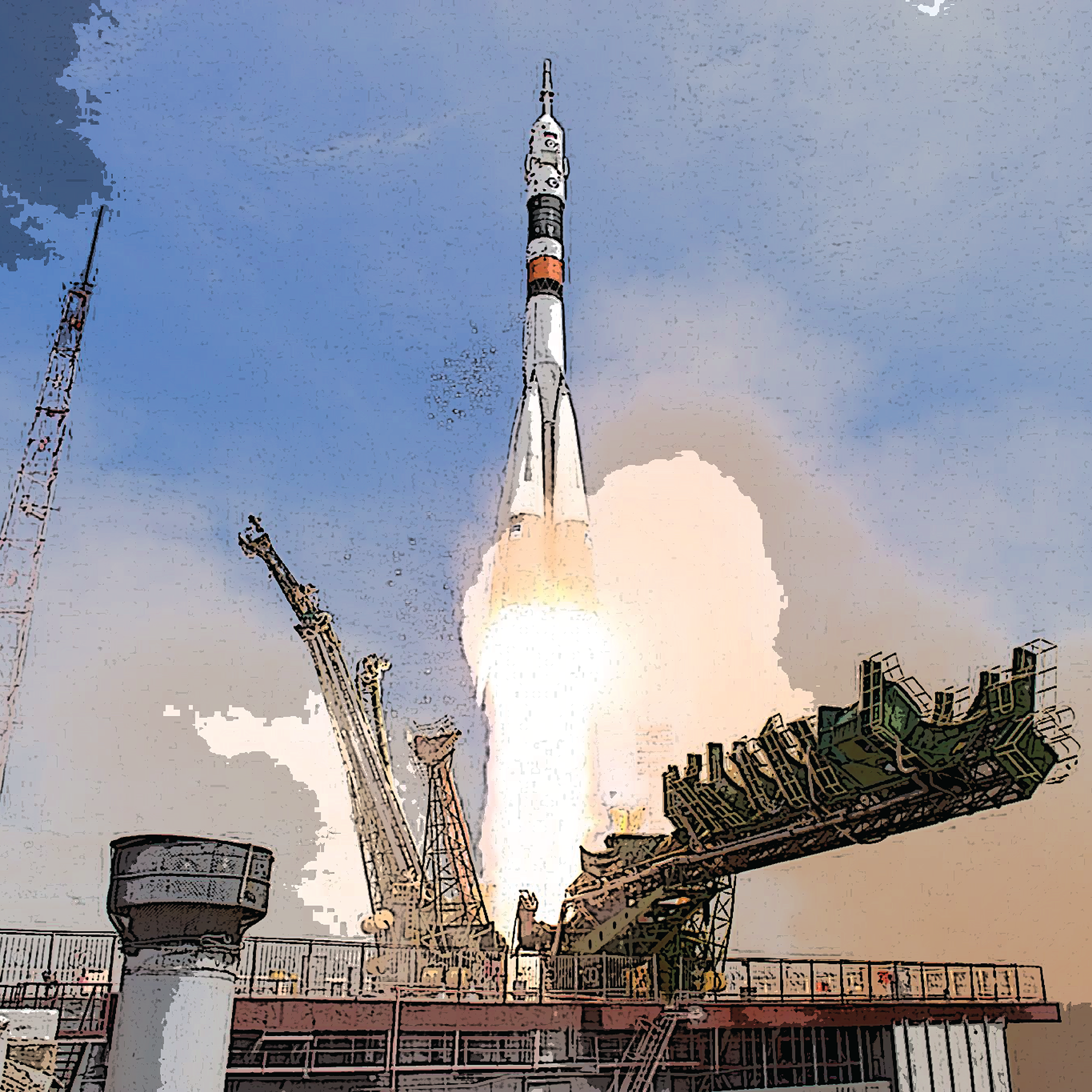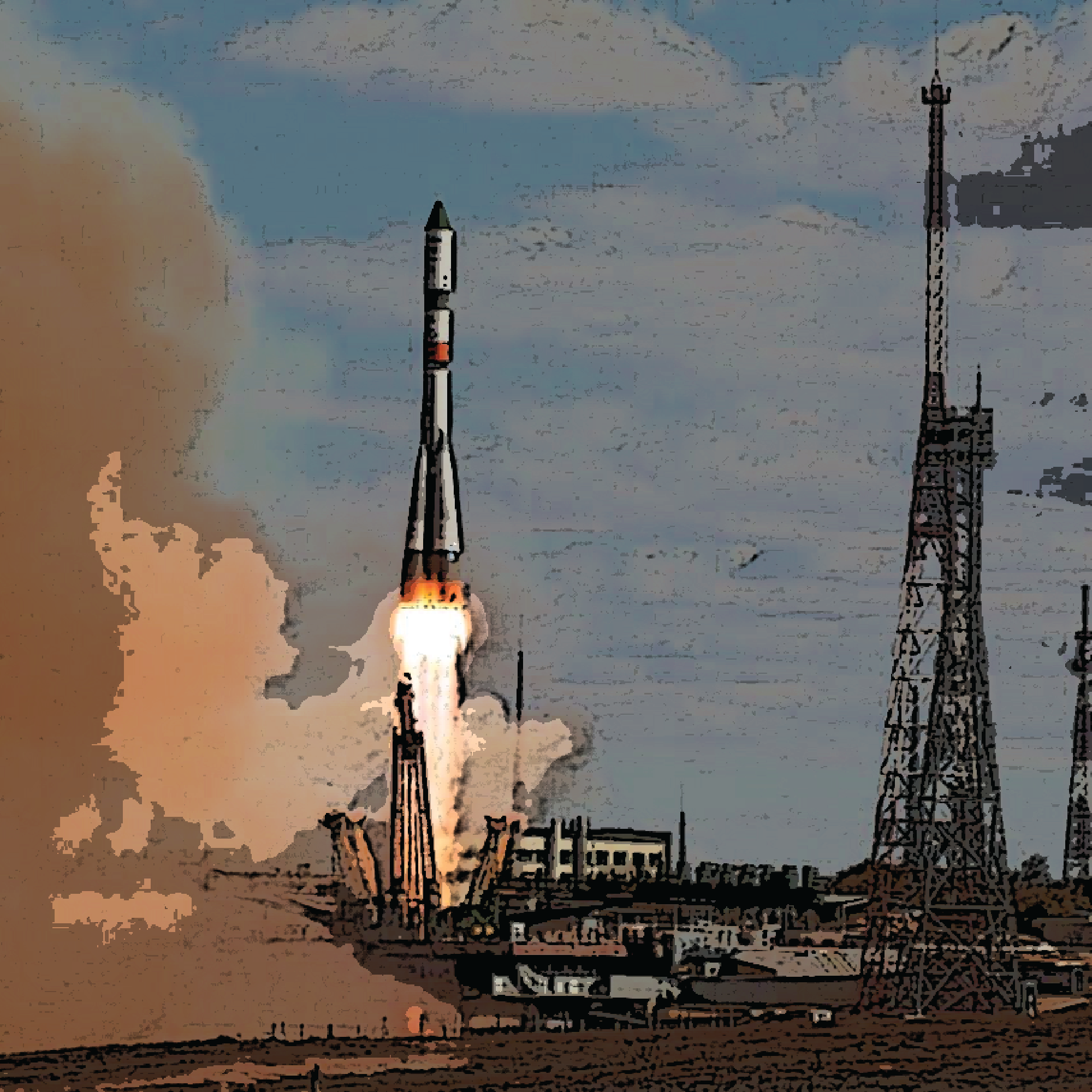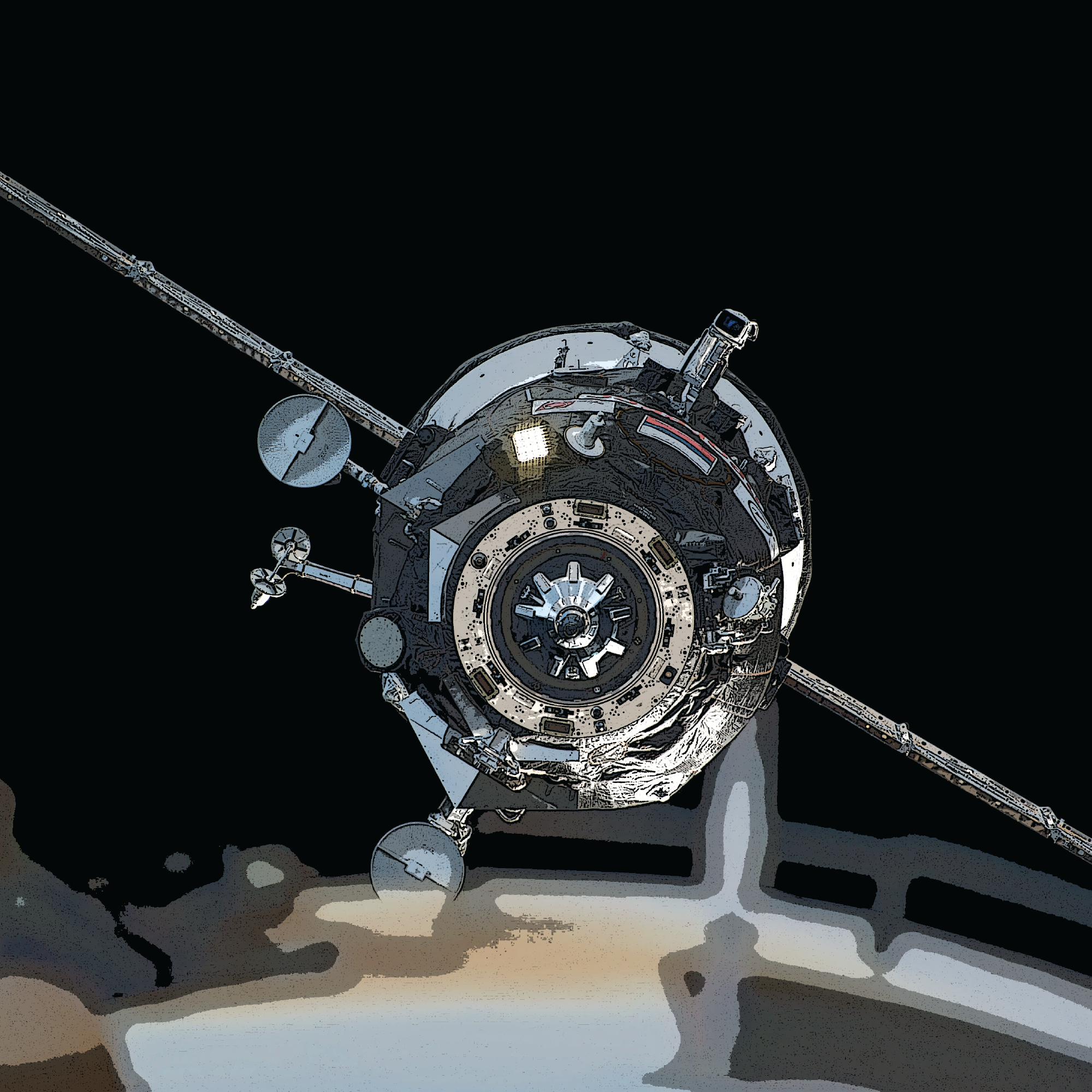
Progress MS-33 departure (NET)
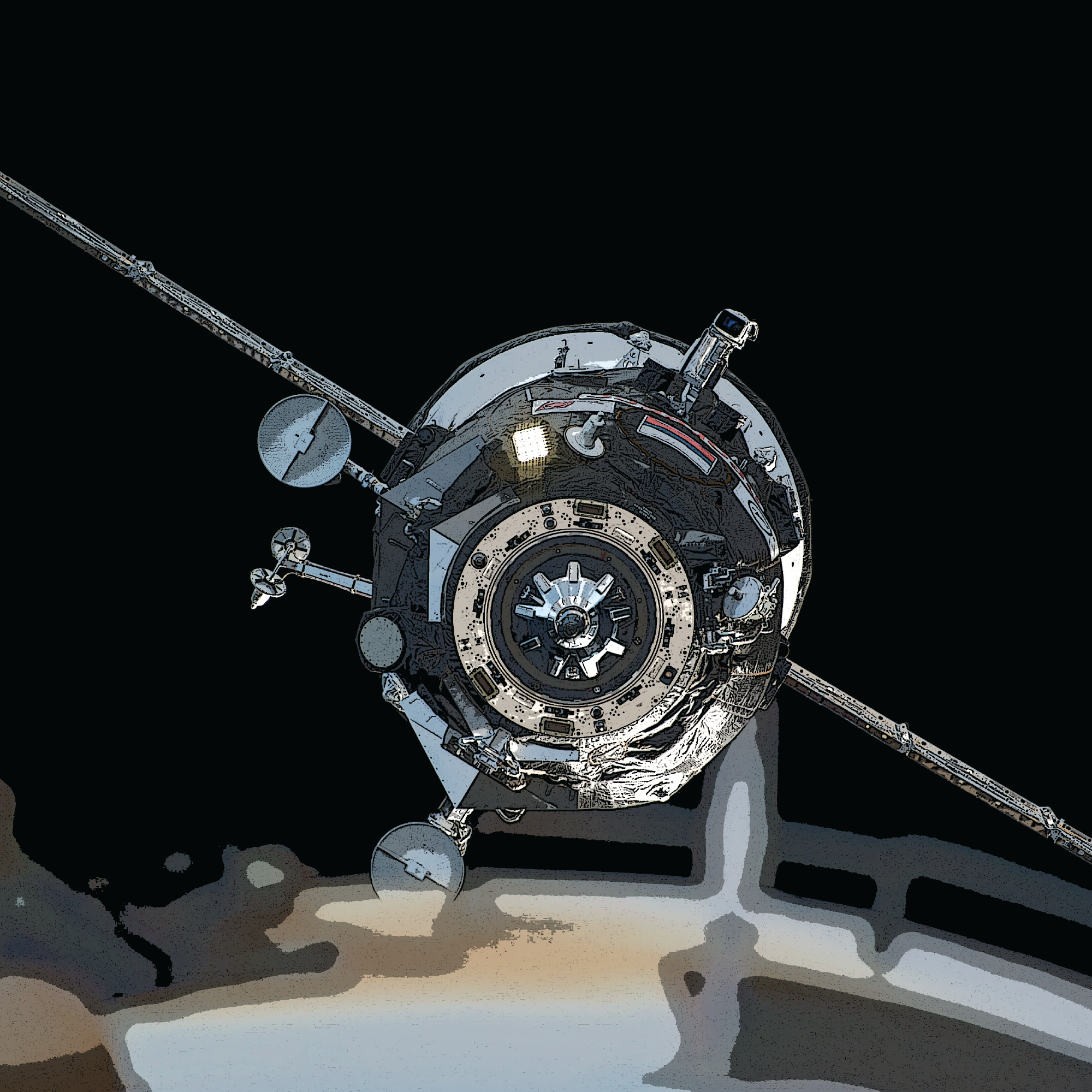
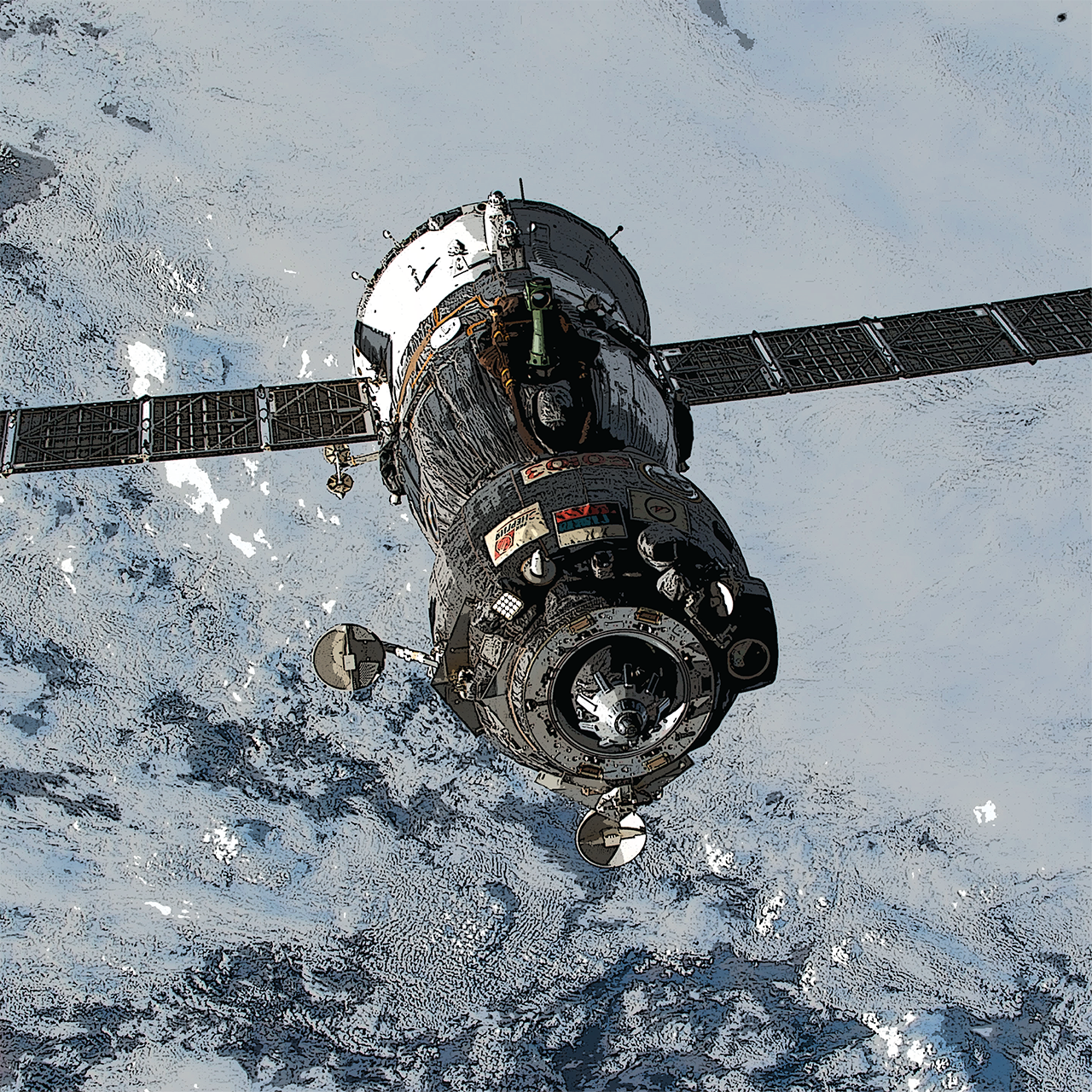
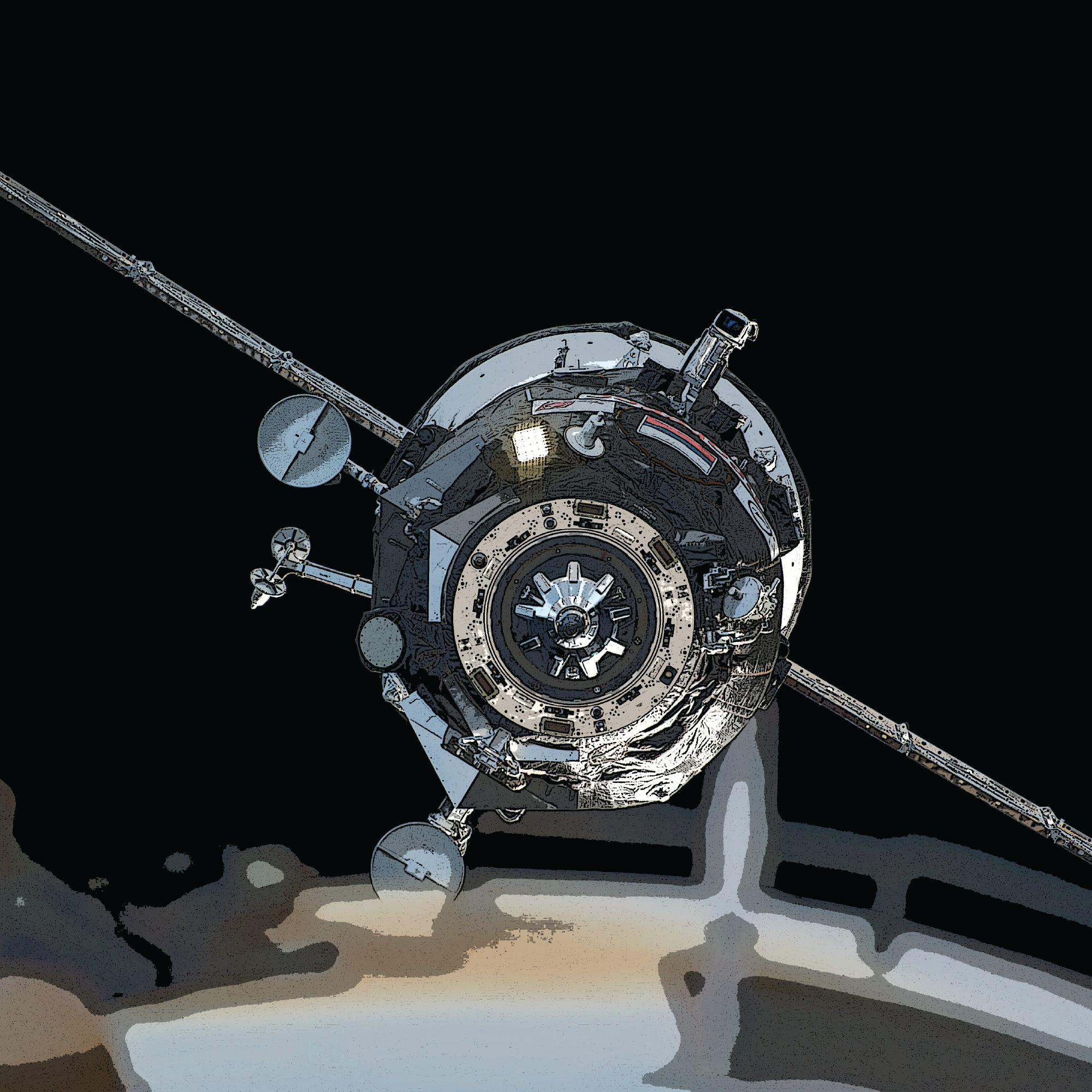
Several months after docking with the International Space Station’s Poisk module, Russia’s Progress MS-33 cargo ship will depart the outpost with trash and unneeded equipment.
All times UTC — NET=no earlier than — TBD=to be determined
Several months after docking with the International Space Station’s Poisk module, Russia’s Progress MS-33 cargo ship will depart the outpost with trash and unneeded equipment.
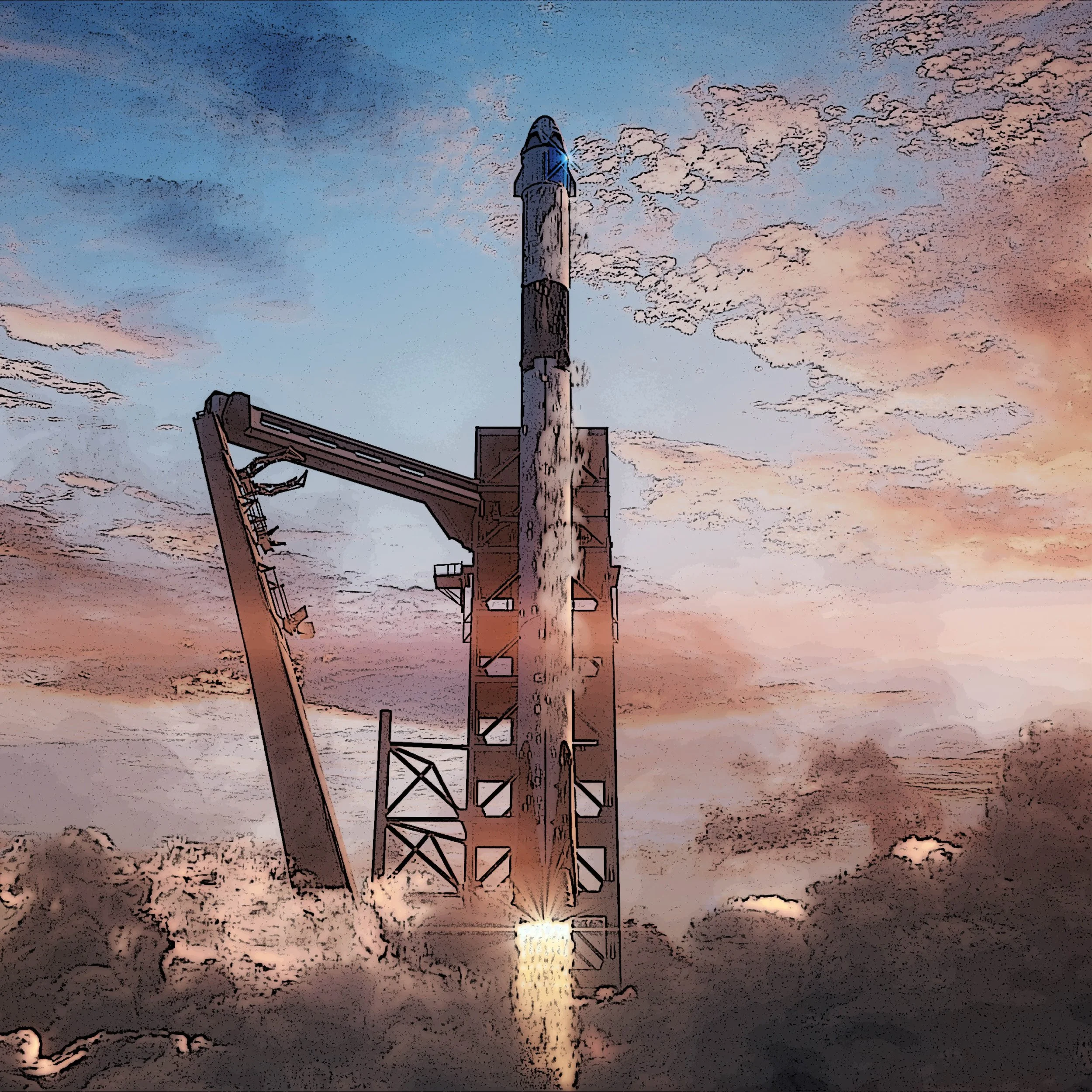
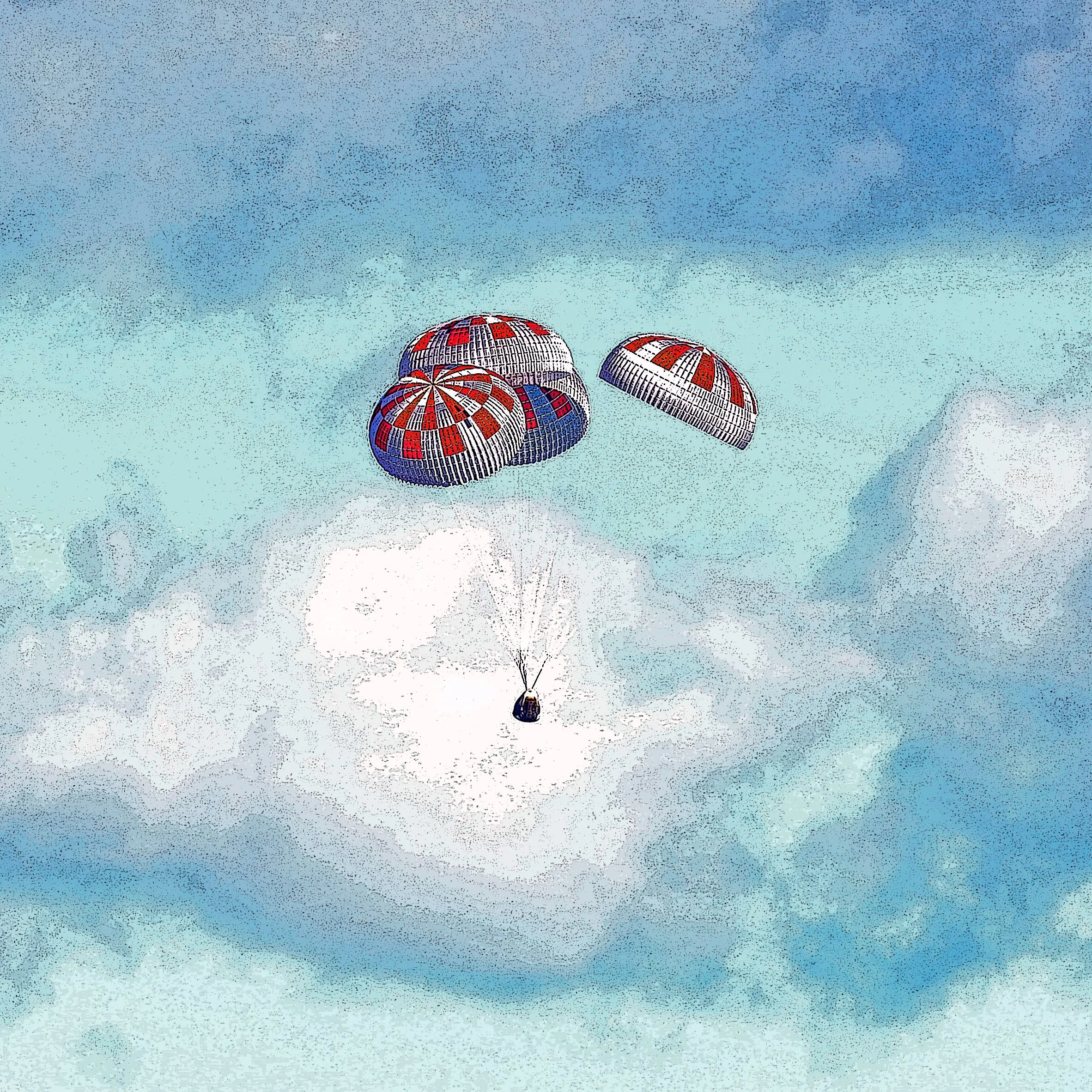
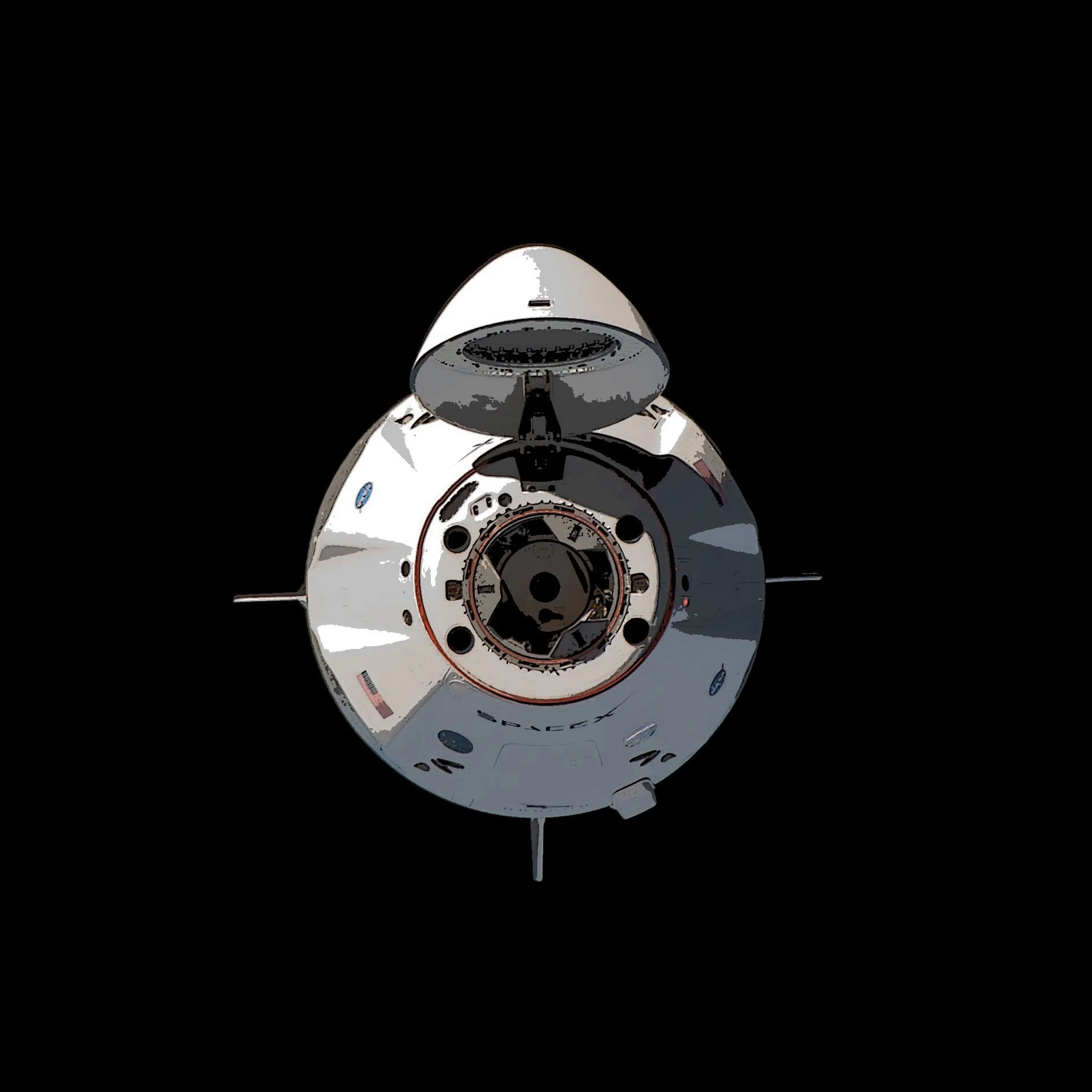
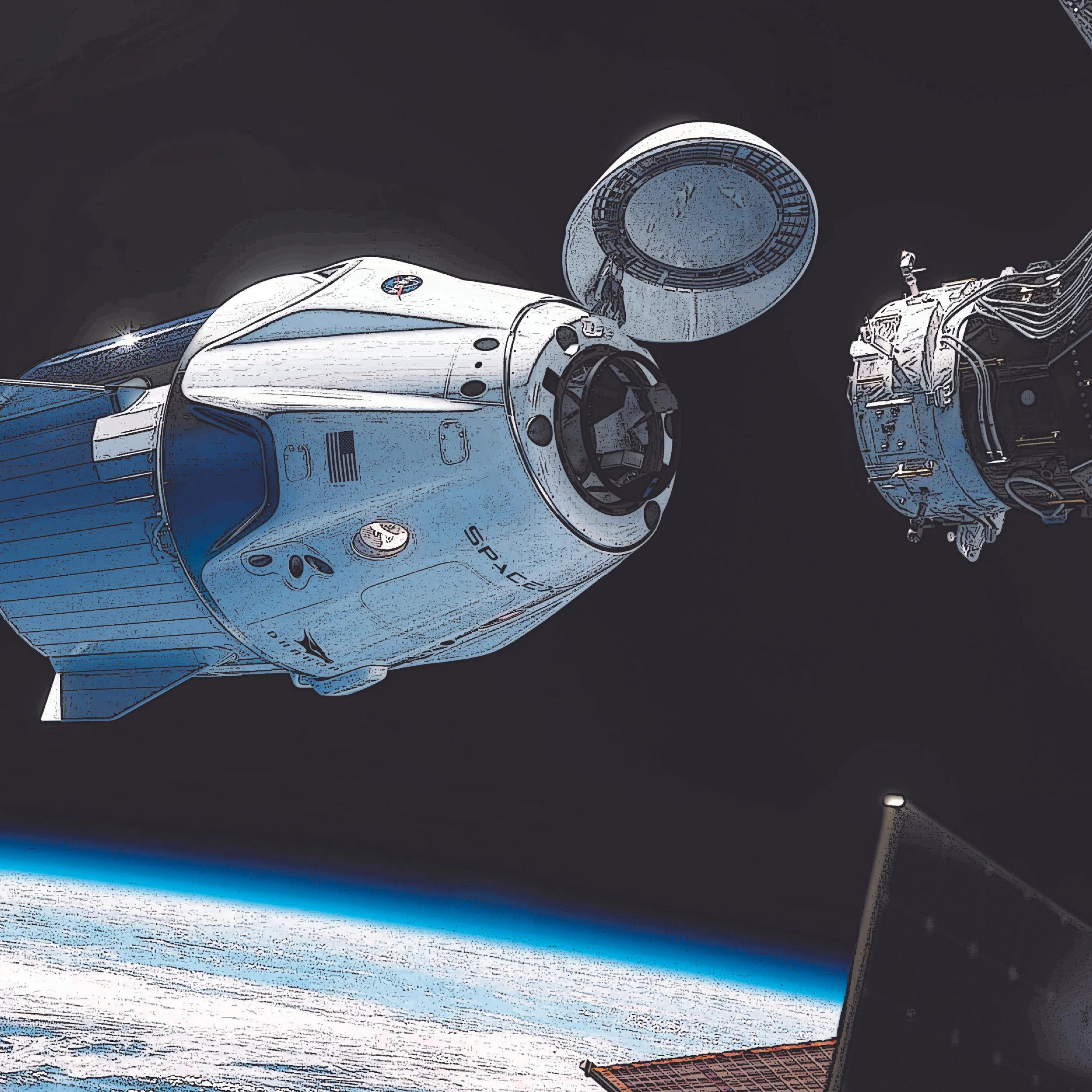
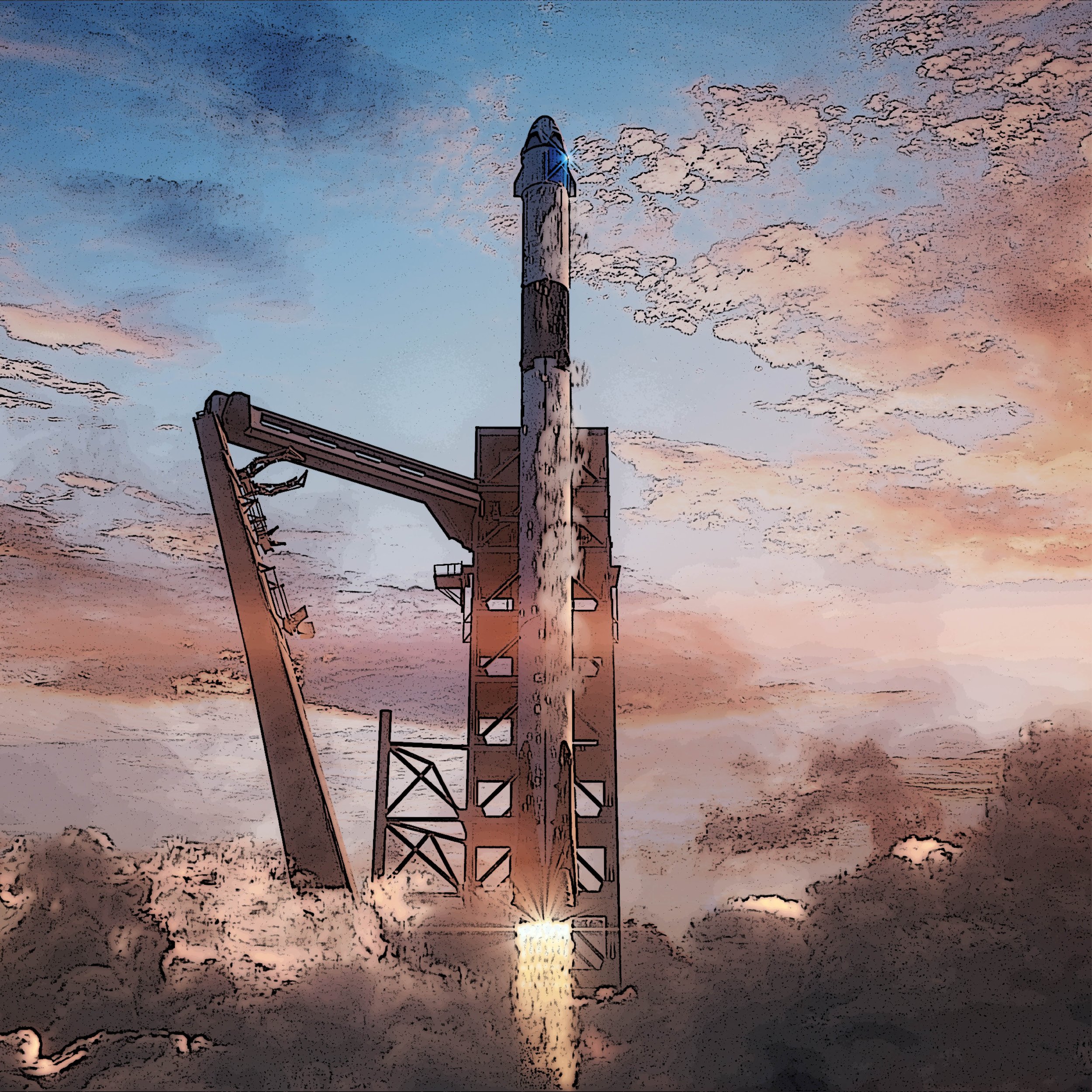
SpaceX and NASA are scheduled to launch four people to the International Space Station in a Crew Dragon spacecraft from Cape Canaveral Space Force Station in Florida. They will dock a day later to join the space station’s Expedition 75 crew.
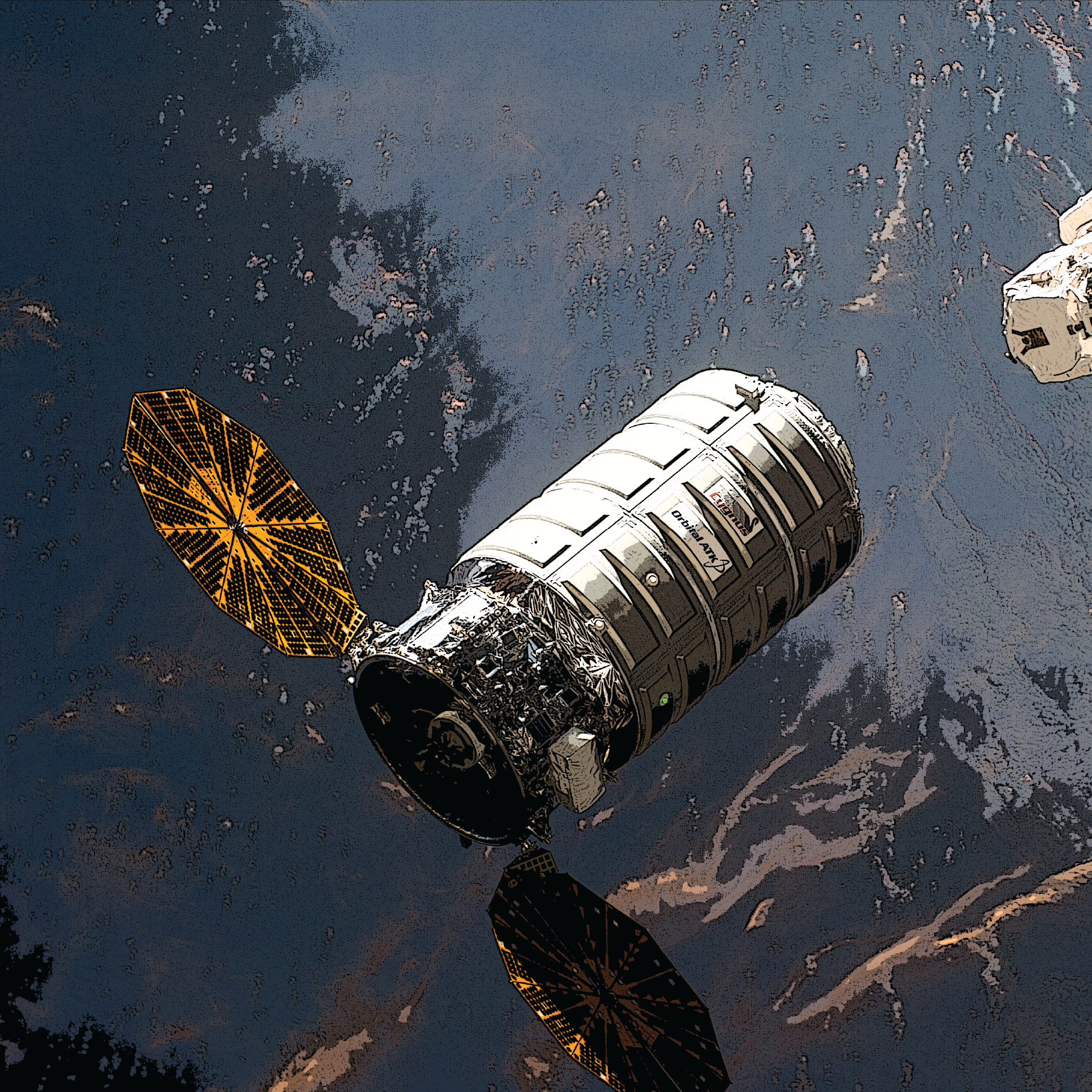
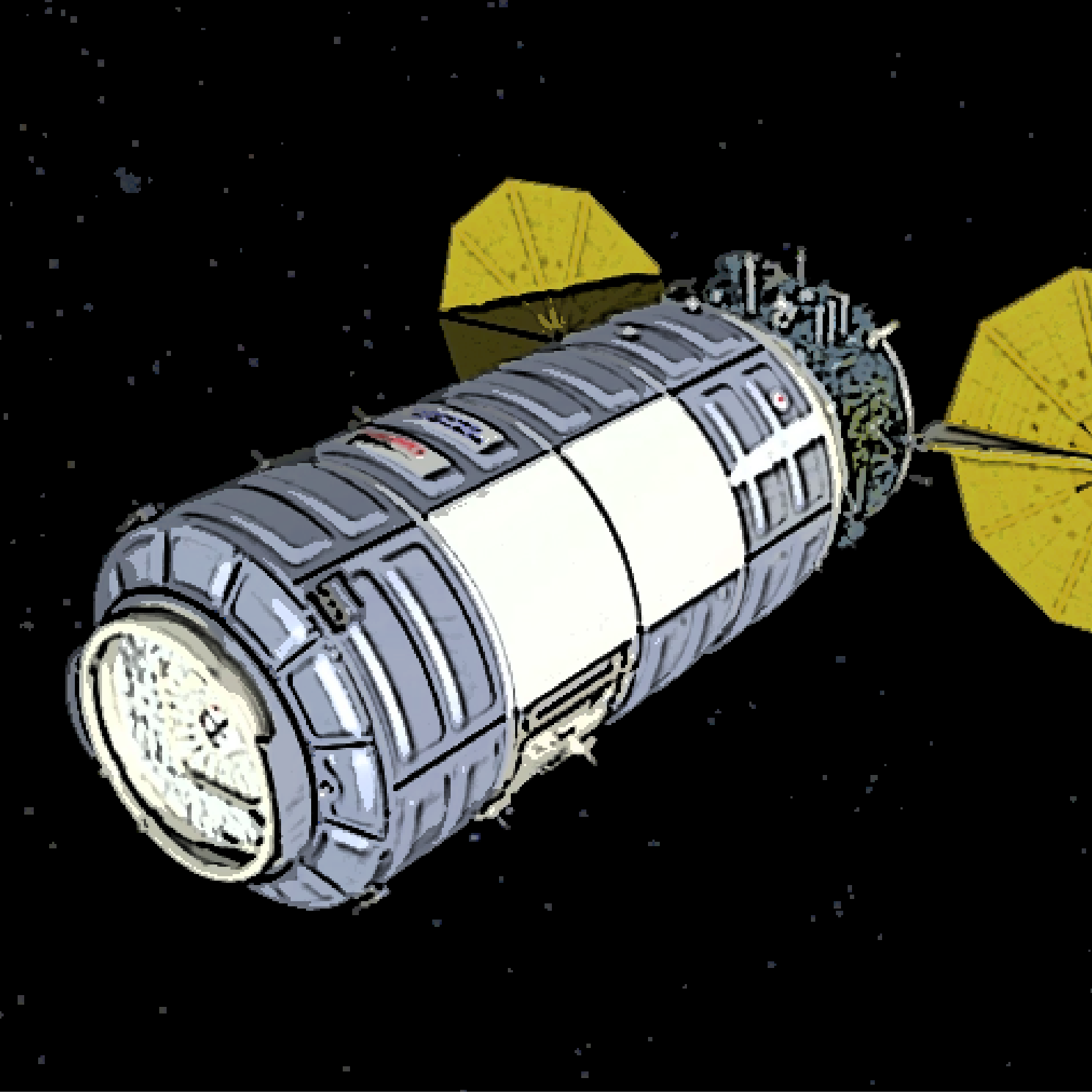
After several months attached to the International Space Station, Northrop Grumman’s NG-24 Cygnus cargo spacecraft is expected to depart the outpost with thousands of pounds of trash and unneeded equipment.
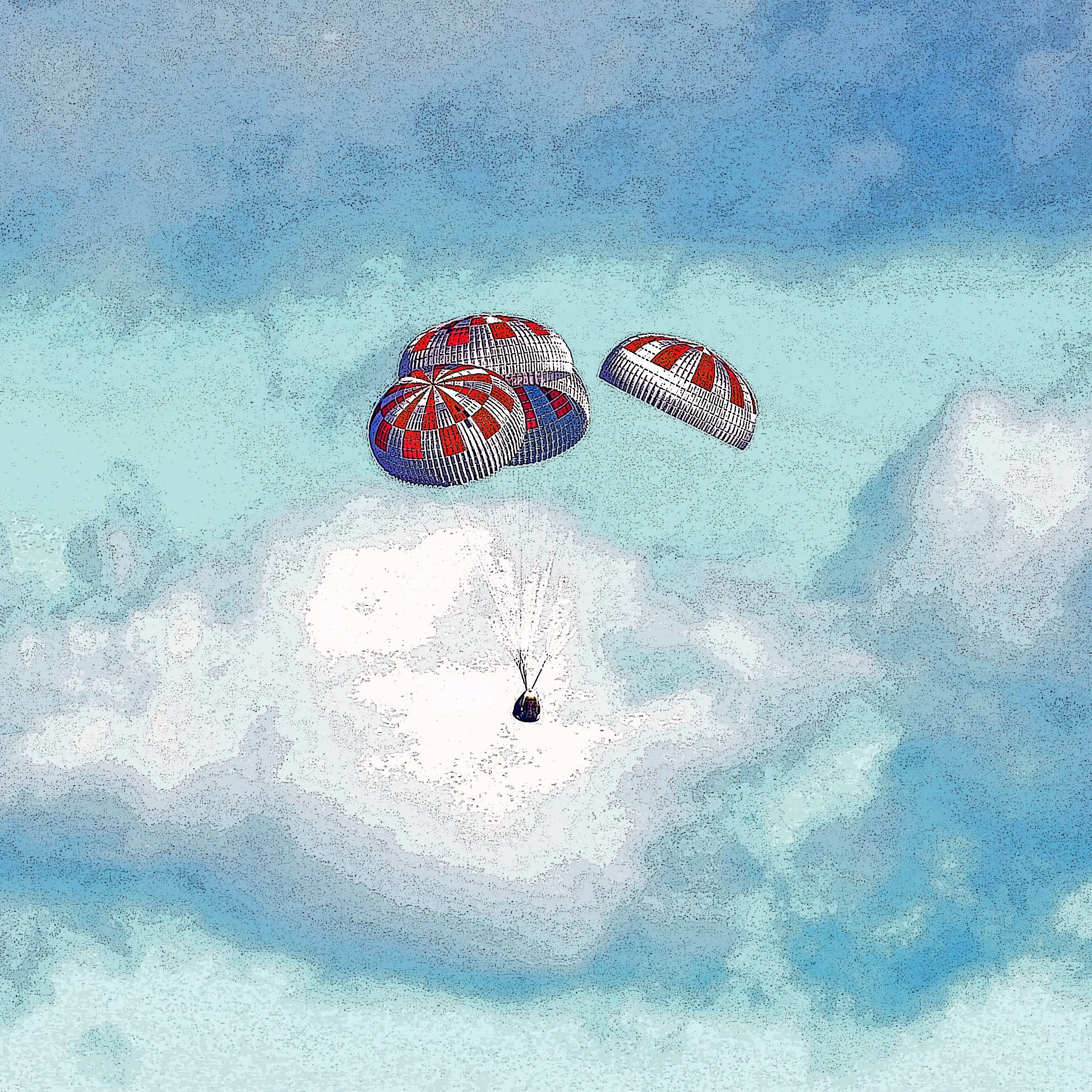
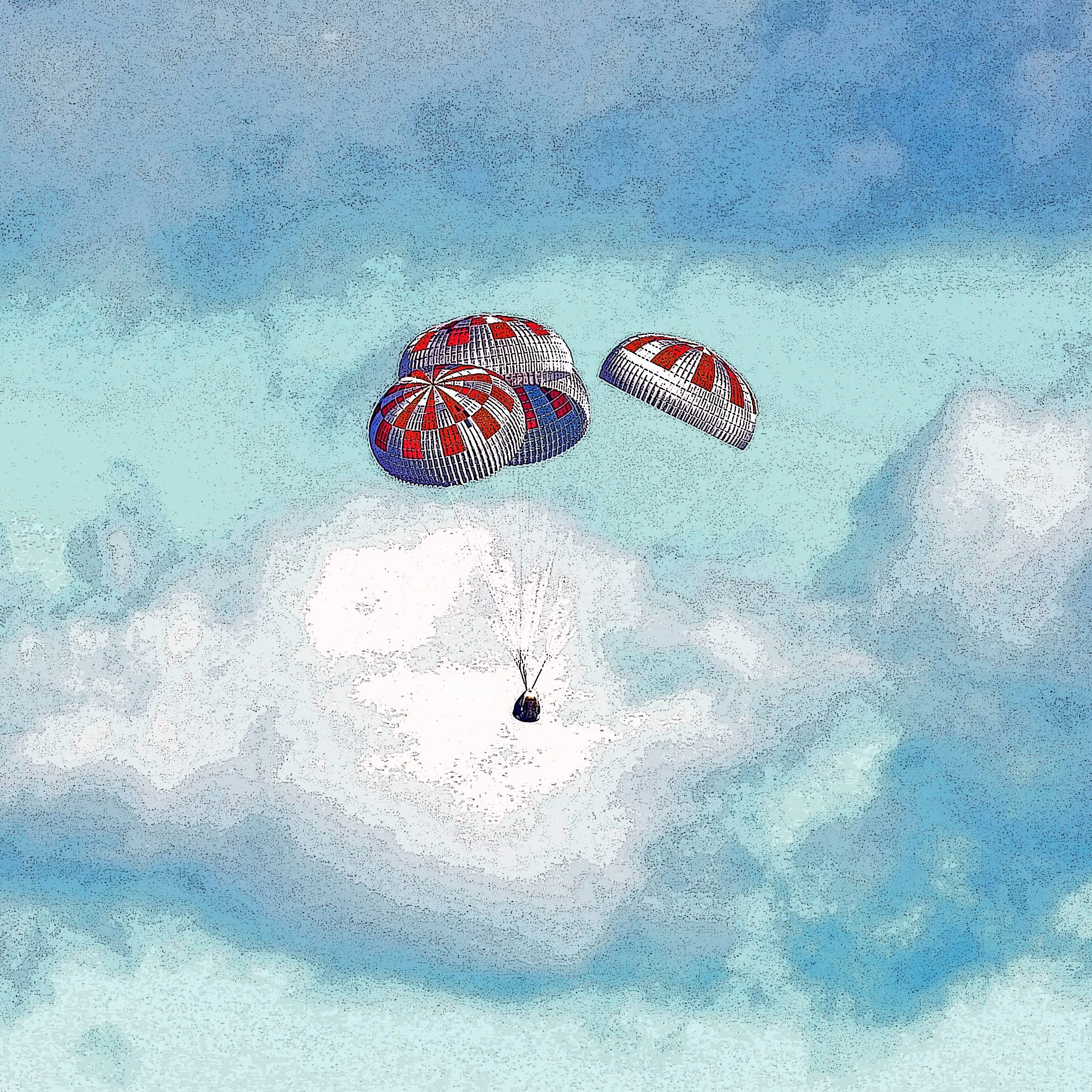
After about nine months in orbit aboard the International Space Station, the four-person Crew-12 mission is expected to return to Earth, splashing down off the coast of California.
After about six months aboard the International Space Station, the Crew-13 quartet is set to return to Earth in their Crew Dragon spacecraft.
After about eight months aboard the International Space Station, the three-person Soyuz MS-29 crew is expected to return to Earth.
Beginning July 2026; transitioning to Expedition 76 in March 2027
After spending about eight months aboard the ISS as part of Expedition 74, the three-person crew of Soyuz MS-28 is set to return to Earth, landing in Kazakhstan.
Russia’s three-person Soyuz MS-29 spacecraft is set to launch from Baikonur Cosmodrome to the International Space Station to form part of Expeditions 74 and 75.
Russia’s uncrewed Progress MS-34 cargo ship is set to autonomously dock with the aft port of the Zvezda module roughly 2 days after launching from Baikonur Cosmodrome in Kazakhstan.
About seven months after docking with the Zvezda module of the International Space Station, Russia’s Progress MS-32 cargo ship will depart the outpost with trash and unneeded equipment.
Several days after launch, Russia’s Progress MS-33 cargo ship is set to dock to the International Space Station’s Poisk module where it will remain for about six months.
Russia’s Progress MS-33 cargo ship is set to launch to the International Space Station from Baikonur Cosmodrome in Kazakhstan. It is expected to dock to the Poisk module about several days later where it will remain for about six months.
Several months after docking with the Poisk module of the International Space Station, Russia’s Progress MS-31 cargo ship will depart the outpost with trash and unneeded equipment.
After about six months at the International Space Station, Northrop Grumman’s uncrewed NG-23 Cygnus cargo spacecraft is set to depart the outpost with trash and unneeded equipment.
After several months at the International Space Station, Japan’s HTV-X1 cargo ship will be unberthed from the outpost with trash and unneeded equipment.
After several months docked to the International Space Station, SpaceX’s CRS-33 cargo Dragon is set to undock and return to Earth, splashing down in the Pacific Ocean off the coast of California about a day later.
About a day after launch, the four-person Crew-12 mission is set to dock with the International Space Station’s Harmony module.
SpaceX is set to launch NASA’s four-person Crew-12 mission to the International Space Station. Liftoff will occur in a Crew Dragon atop a Falcon 9 rocket from Space Launch Complex 40 in Cape Canaveral, Florida.
After about five months at the International Space Station, the four-person Crew-10 Dragon mission is returning to Earth.
Beginning December 2025; transitioning to Expedition 75 in June 2026
After about eight months aboard the International Space Station, Russia’s Soyuz MS-27 three-person crew is expected to return to Earth.
Russia is expected to launch Soyuz MS-28 with three people to the International Space Station for an eight-month stay aboard the outpost as part of Expedition 73 and 74.
Several days after launch, the HTV-X1 cargo ship will rendezvous with the International Space Station for capture and berthing to the Earth-facing port of the Harmony module.
The Japan Aerospace Exploration Agency is set to launch the uncrewed HTV-X1 cargo spacecraft to the International Space Station. This is the first of a new series of cargo ships by Japan called HTV-X.
Several days after Northrop Grumman’s uncrewed NG-23 Cygnus cargo spacecraft launches, the vehicle is expected to rendezvous with the International Space Station for capture and berthing.
Northrop Grumman’s NG-23 Cygnus spacecraft is set to launch to the International Space Station with an enlarged pressure module for additional cargo.
About two days after launch, Russia’s Progress MS-32 cargo ship is set to dock to the International Space Station’s Zvezda service module where it will remain for about six months.
Russia’s Progress MS-32 cargo ship is set to launch to the International Space Station from Baikonur Cosmodrome in Kazakhstan. It is expected to dock to the Zvezda service module about two days later where it will remain for about six months.
About seven months after docking with the International Space Station’s Zvezda module, Russia’s Progress MS-30 cargo ship will depart the outpost with trash and unneeded equipment.
SpaceX is set to launch the CRS-33 Cargo Dragon spacecraft to the International Space Station.
After about six months in space, NASA’s Crew-10 mission is set to return home aboard SpaceX’s Crew Dragon Endurance spacecraft.
The Axiom-4 Crew Dragon flight is scheduled to undock from the International Space Station to return four private astronauts after a couple-week science mission aboard the outpost.
After about six months at the International Space Station, the Progress MS-29 cargo ship is expected to undock with trash and unneeded equipment bound for a destructive reentry over the Pacific Ocean.
SpaceX is launching the CRS-32 cargo Dragon to the International Space Station from Launch Complex 39A at NASA’s Kennedy Space Center in Florida.
Beginning April 2025; transitioning to Expedition 74 in December 2025
Orbital Velocity is designed to be "living time capsule" about the International Space Station.
This project is an attempt to bridge an information gap between space agencies and companies, as well as a public that supports space endeavors with their tax dollars. Despite the importance of the space station, the general public doesn't always know what is happening aboard this amazing complex on a regular basis. Research being conducted isn't always readily available and what information is out there can sometimes be difficult to understand. Some people aren't even aware there is an active space program, let alone a space station.
Orbital Velocity hopes to change that by building a database of information through blogs, a website, small videos and longer documentary-like series'.
Copyright © 2024 Orbital Velocity